- 1. Define Needs Before Choosing: A 5-Step Procurement Flow
- 2. Lock Body: Die-Cast Stainless Steel as Baseline, Size Must Fit the Door
- 3. Unlocking Methods: Match Combinations to Guests and Operations
- 4. System Integration: PMS, Card Issuing, and One-Card at Three Levels
- 5. Power & Battery: Scheme, Low-Battery Alerts, and Emergency Access
- 6. Materials & After-Sales: Finish Defines Texture, Warranty Defines Peace of Mind
Hotel locks are the "last meter" of hotel operations. From lock body and unlocking methods to PMS integration, this guide breaks down 6 key decisions to help buyers choose right the first time.
1. Define Needs Before Choosing: A 5-Step Procurement Flow
The most common mistake in hotel lock procurement is skipping needs analysis and going straight to price comparison. A lock may look cheap per unit, but once installed across 200 rooms, any selection error is magnified: incompatible lock bodies mean modifying every door, and failed PMS integration means rewiring the whole property. Rework often costs several times the price difference.
Follow five steps. First, define the scenario (star hotel, economy chain, serviced apartment, or homestay) — each demands different strength, unlocking methods, and management features. Second, measure the door: thickness, material, swing direction, and edge width are hard constraints on the lock body. Third, decide the unlocking combination (card, PIN, fingerprint, Bluetooth/mobile) balancing guest habits with management needs. Fourth, confirm system requirements including PMS interface, one-card compatibility, and floor authorization logic. Fifth, only then compare quotes — with warranty, spare parts, and after-sales support on the same comparison sheet.
Turning the first four steps into a one-page requirement sheet makes supplier quotes far more accurate and cuts communication rounds. When inquiring, buyers should also provide total room count, door specifications, and target market, as these determine lock type, certification, and packaging.
2. Lock Body: Die-Cast Stainless Steel as Baseline, Size Must Fit the Door
The lock body is the heart of a door lock, determining both security and durability. A hotel lock is cycled dozens of times daily and typically lasts 5-10 years, so die-cast stainless steel is the recommended baseline for strength and corrosion resistance. Zinc alloy bodies cost less and suit budget projects, but wear faster under heavy use.
Size compatibility is the second hard requirement. Hotel doors commonly range 40-70mm in thickness, and the lock body spec (e.g. 6068 or 45mm standard) must match the existing door mortise. Renovation projects deserve extra attention: holes left by old locks often mismatch new ones. Reputable suppliers offer "same-mortise upgrade" models that avoid destructive drilling or filling.
Also check reversibility — whether the latch direction supports left/right hand doors, and whether the body includes a deadbolt with anti-shim plate. A deadbolt-protected body delivers stronger security when rooms are vacant, which also matches common overseas market expectations.
3. Unlocking Methods: Match Combinations to Guests and Operations
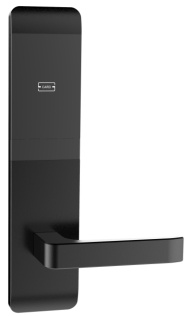
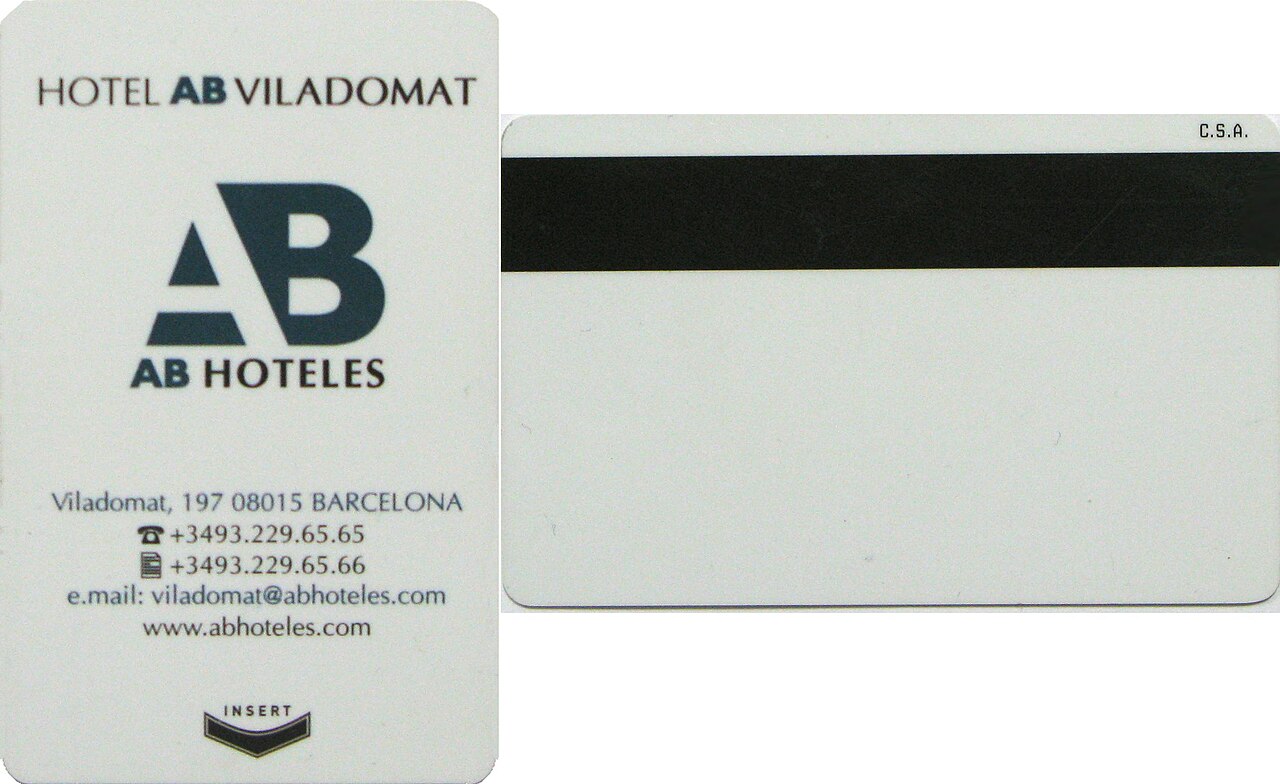
Unlocking methods are the most direct touchpoint for guests and a window into the hotel's smart level. First-generation magnetic stripe locks are cheap but prone to demagnetization and low security, and are being replaced quickly by RFID card locks. The mainstream today is Mifare (13.56MHz): cards can be encrypted, written with one-card data, and issued efficiently — the standard for economy and mid-range hotels.
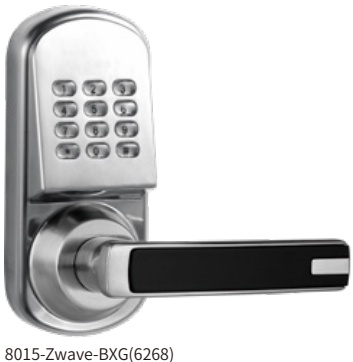
PIN locks suit no-front-desk, self-check-in apartments and homestays: guests receive a code before arrival and open the door without card issuance. Bluetooth/mobile locks fit branded hotels that want a better guest experience, letting guests open via WeChat mini-program or brand APP, with remote issue and revocation. Fingerprint and face locks are mostly used on upper floors, executive floors, or family rooms, emphasizing card-free experience.
The principle is combination rather than single choice: a safe default is card + PIN + emergency mechanical key, then layer Bluetooth or biometrics by positioning. Also confirm card type compatibility with group one-card systems (HF/LF, encryption format), and that an emergency mechanical key is included — the last line of defense during power failures cannot be omitted.
4. System Integration: PMS, Card Issuing, and One-Card at Three Levels
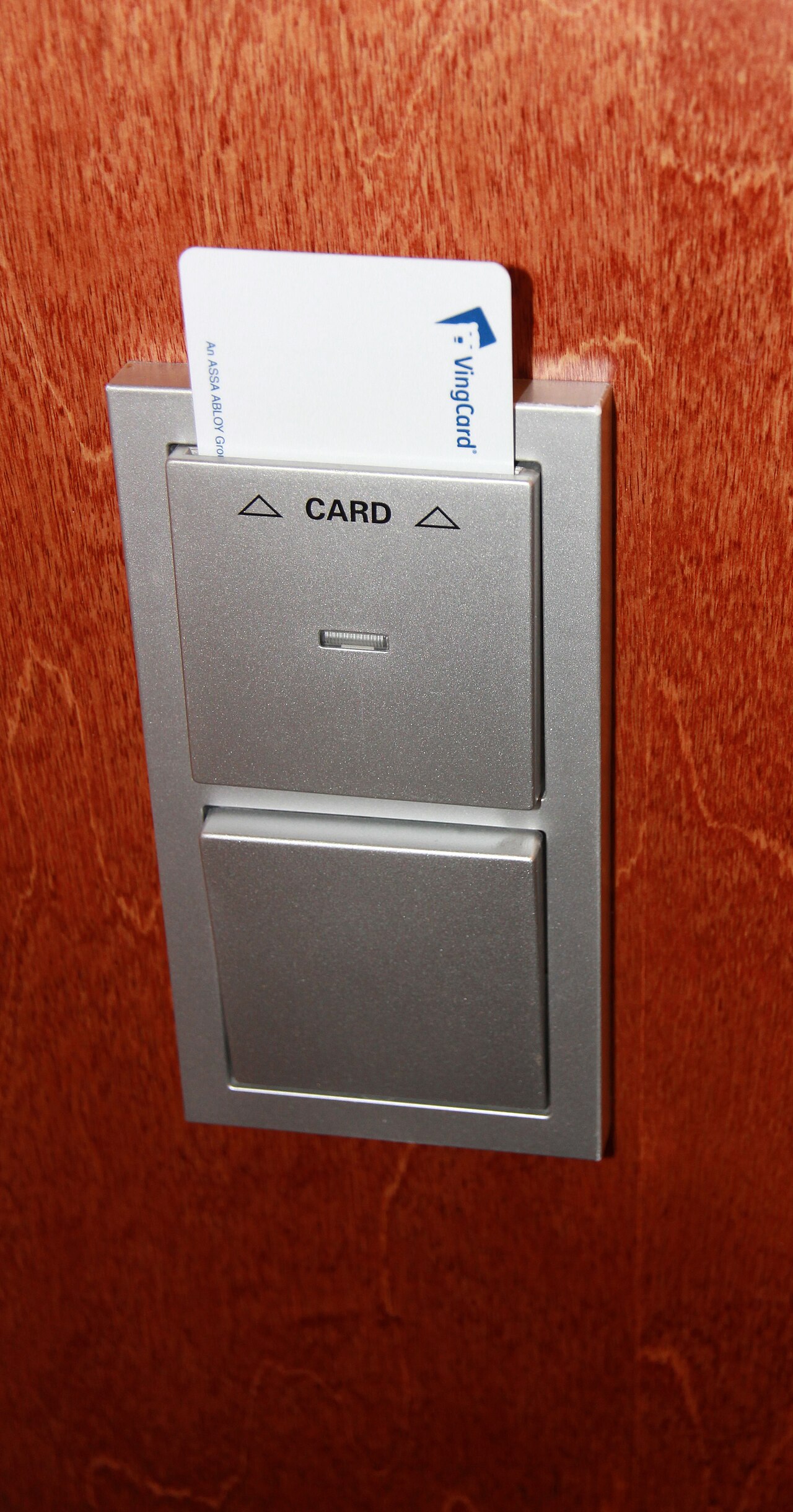
Hotel locks are not isolated hardware but part of the front-office ecosystem. Integration works at three levels. Level one is the card-issuing software: the front desk writes cards, recycles them at check-out, and handles loss reporting — standard for all electronic locks. Level two is PMS integration: when the lock system connects to Opera, Fidelio, or local PMS, check-in, card issuing, check-out, and room status updates synchronize automatically. Level three is one-card expansion: the same card authorizes elevator floors, restaurant charges, pool lockers, and access control, reducing card types and improving guest experience.
When inquiring, clarify three things: first, the PMS brand and version — does the supplier provide a ready-made interface or middleware? Second, the card encryption format — is it unified across the group's other properties? Third, online vs offline mode: wired properties can manage locks in real time, while renovation projects rely on offline data upload, and the room-status sync mechanisms differ.
Also confirm multi-building/multi-floor authorization, housekeeper and staff card levels, and whether a checked-out guest's card dies instantly. These operational details affect daily staff efficiency far more than the unit price, so they deserve extra attention.
5. Power & Battery: Scheme, Low-Battery Alerts, and Emergency Access
Powering scheme determines maintenance cost. The mainstream is four AA batteries lasting 12-18 months; a 200-room hotel changes batteries roughly twice a year, so include the scheme in cost analysis. Some projects adopt centralized power or door-side power boxes, which fit new builds with good wiring and drastically reduce labor.
Low-battery alerts must be reliable: locks should give staged warnings (voice/screen prompt when voltage drops), then support a "last N opens" emergency mechanism so guests are never locked out. Ideally the management dashboard shows battery levels across the floor, letting housekeeping replace batteries in planned batches instead of reacting room by room.
Emergency access is a must-have in any purchase list: emergency mechanical keys (or a master card) per floor open doors during power failure, dead batteries, or system faults. Confirm with the supplier the storage and registration procedure for emergency keys; in overseas markets, also check the aesthetic treatment of the backup keyhole.
6. Materials & After-Sales: Finish Defines Texture, Warranty Defines Peace of Mind
Front panels are mainly aluminum alloy or zinc alloy. Aluminum is light and easy to machine, suiting brushed or anodized finishes; zinc alloy feels denser and heavier, commonly die-cast then electroplated or coated for mid-to-high-end hotels. Finish determines long-term looks: coastal and humid regions should require salt-spray ratings to avoid blistering and rust within a year.
Hardware details also affect experience: handle-to-panel gaps, screw loosening protection, and rubber gasket fit are all felt by guests daily. Reputable makers provide salt-spray reports and durability data (e.g. 200,000 cycles) — ask for them when quoting.
For after-sales, nail down four items in writing: spare-parts list and supply lead time (body, panel, mainboard, handle), warranty years (typically 1-3), remote support response time, and on-site or video guidance for overseas projects. Contracts beat verbal promises.
Finally, confirm target-market certifications (CE, RoHS, FCC, ANSI, etc.), request the certificates with your inquiry, and verify validity dates — they affect customs clearance and tender qualification.